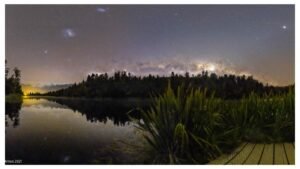
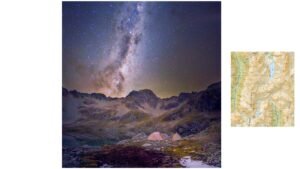
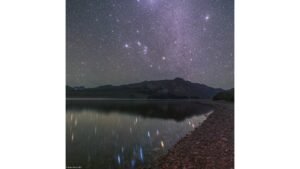
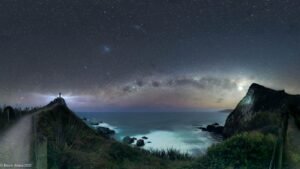
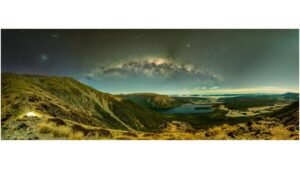
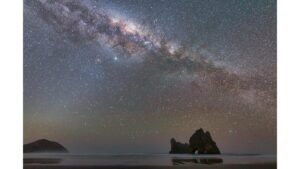
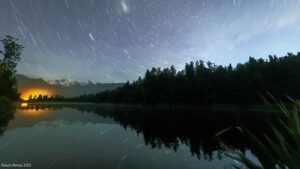
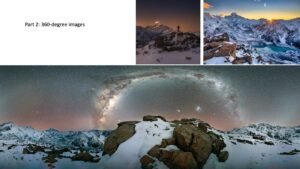
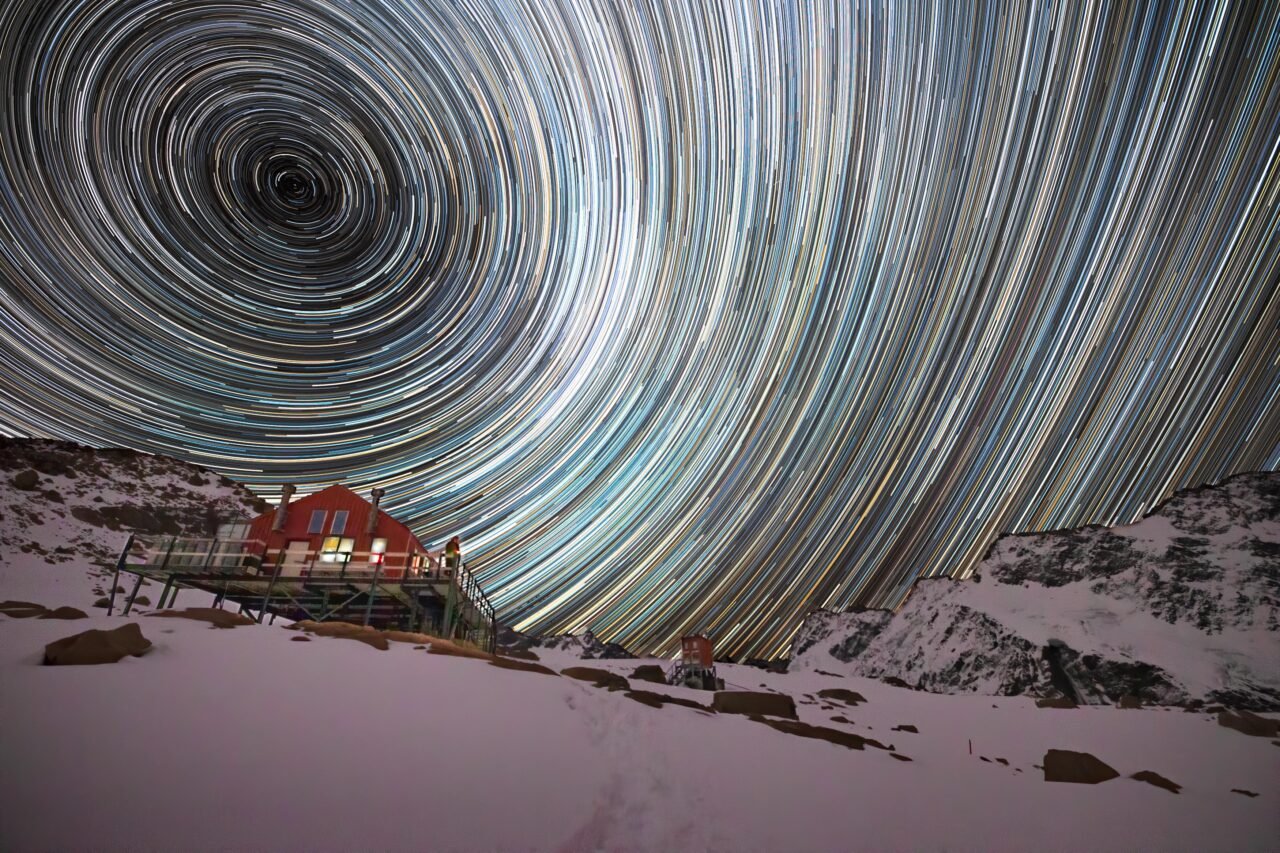
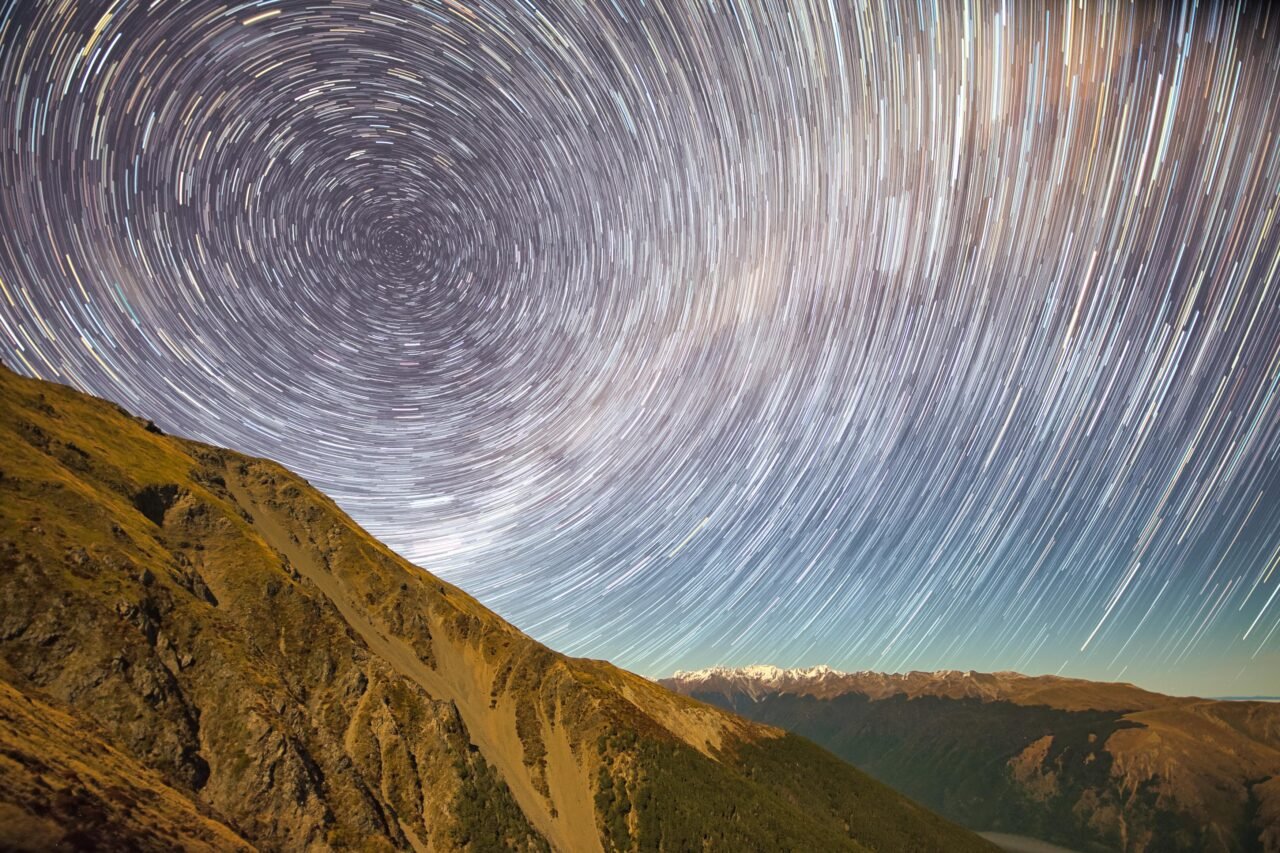
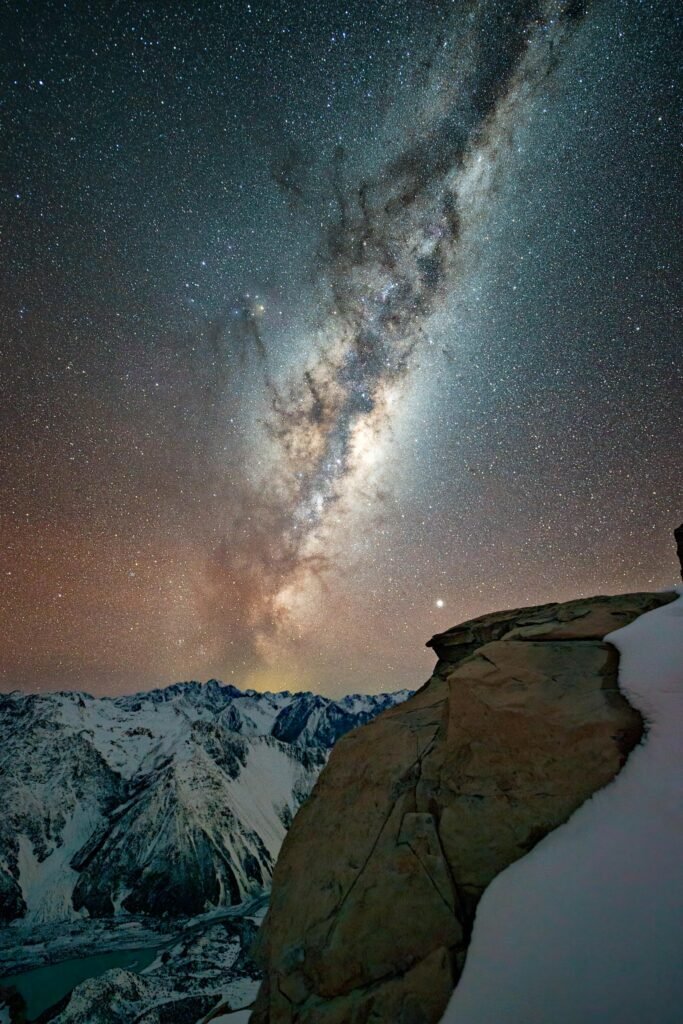
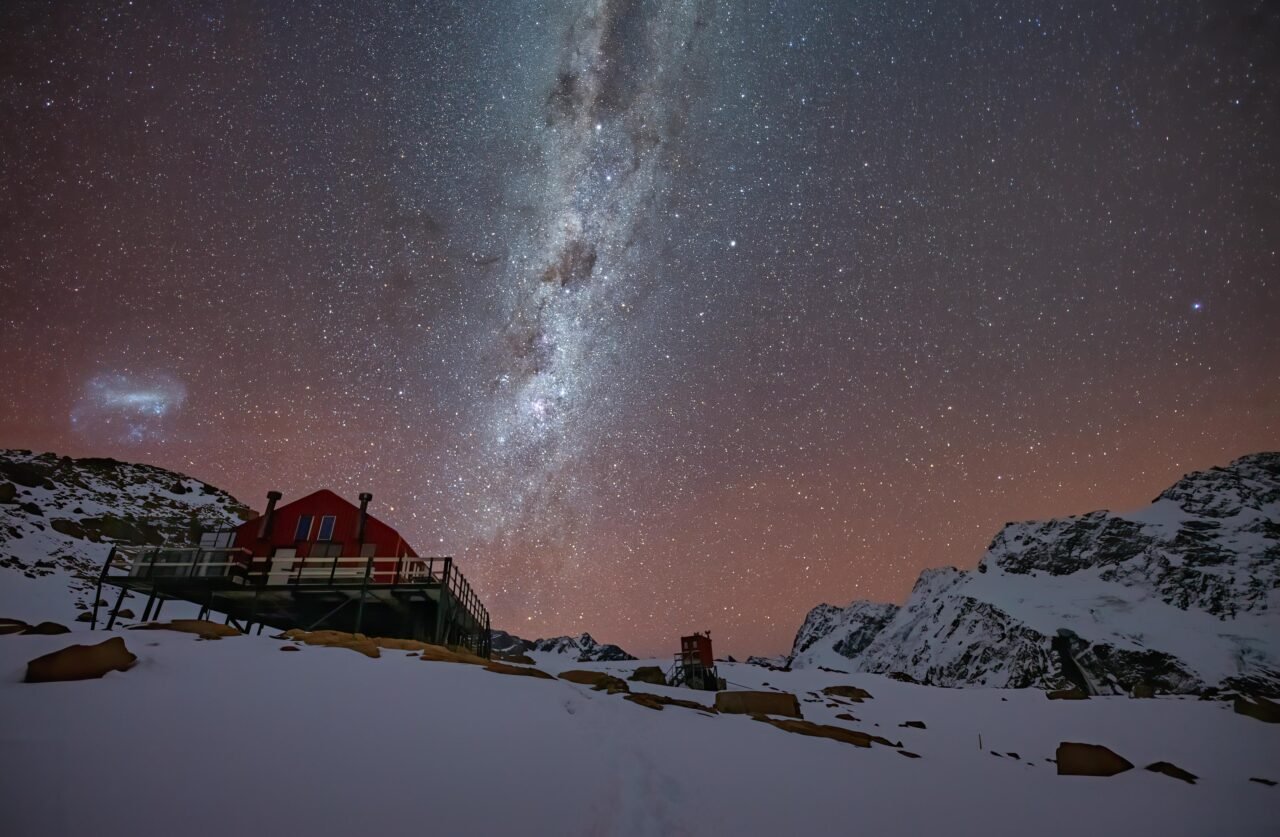
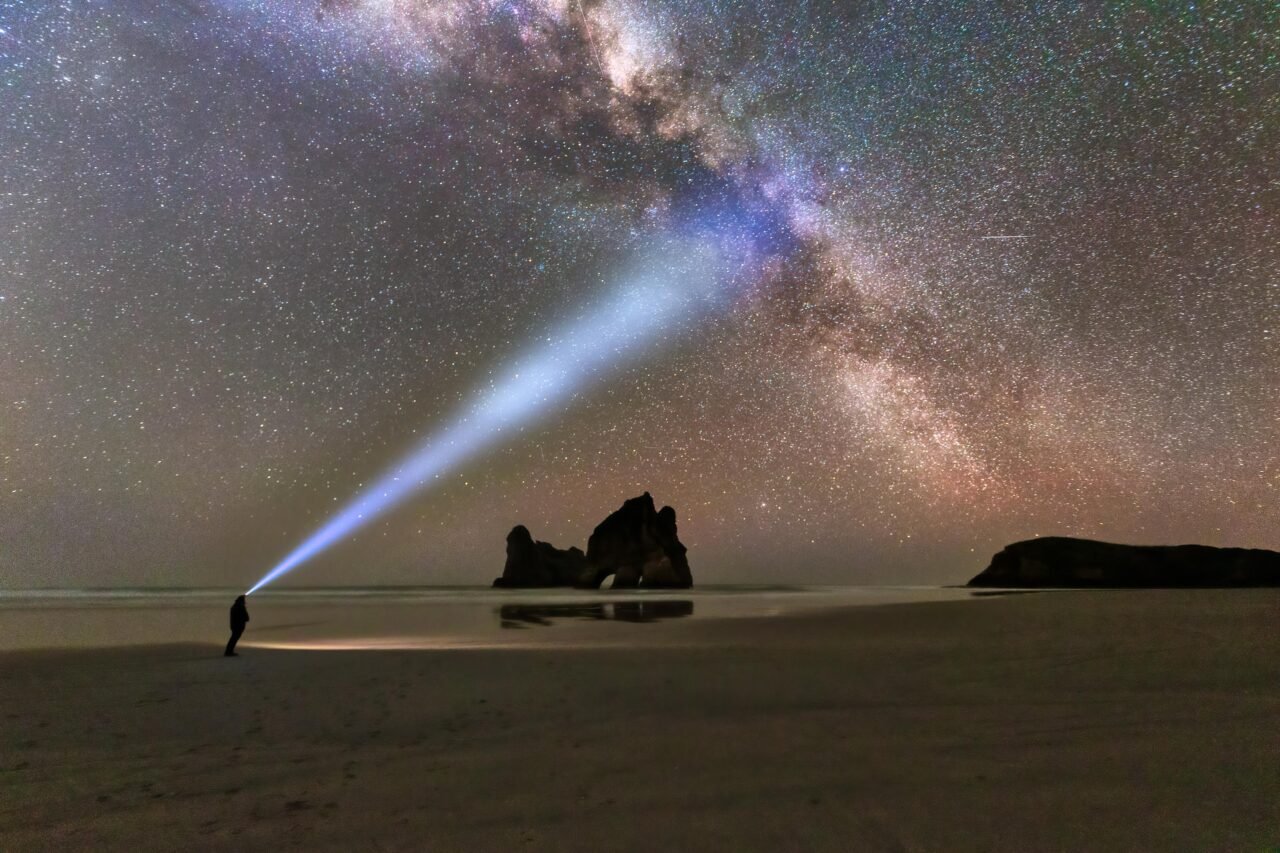
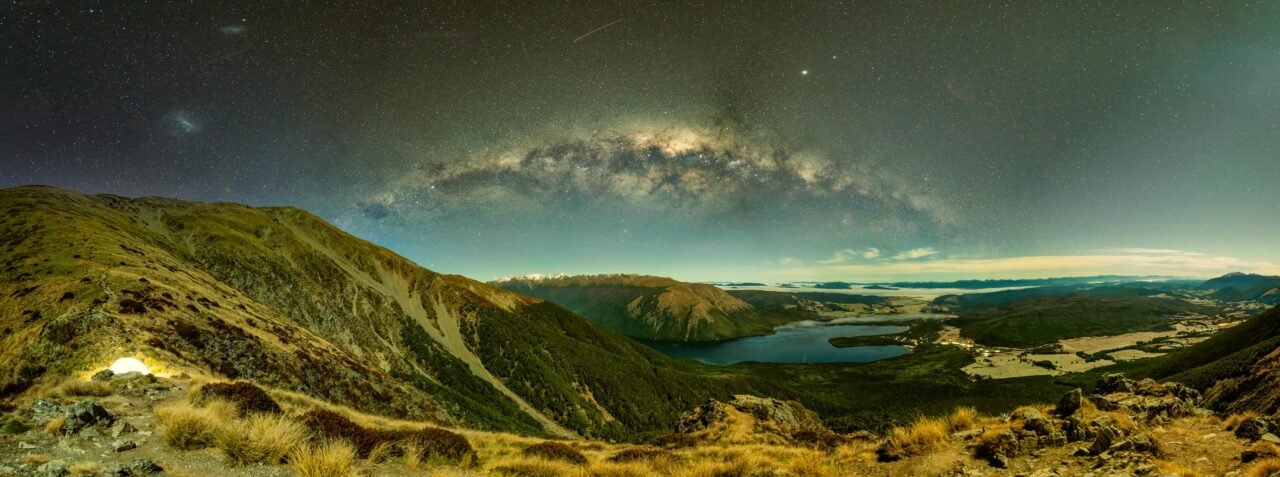
These images have been captured from around New Zealand over the last 10 years using a range of cameras and ancillary equipment. Some are tracked and stacked and others are single or multi-row and column panoramas.



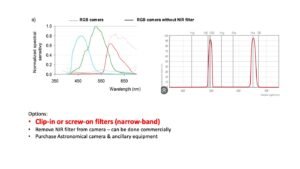
The images below are of deep sky objects including galaxies, planetary nebula, emission nebula and reflection nebula. They have been captured on astronomical cameras using telescopes from 400mm to 2800mm focal length tracked and guided on equatorial mounts.
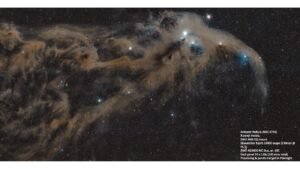
This is a very interesting system with the following details. It is a Symbiotic Binary System of a Mira-type red giant and a white dwarf.
Measurements place R Aqr at approximately 218 pc (~710 light-years) from earth. (arXiv, Wikipedia, chandra.harvard.edu)
The red giant is a Mira variable, pulsating with a period of around 390 days, and varying in brightness by up to a factor of ~750 (i.e., from magnitude ~5.2 to ~12.4). (Wikipedia, European Space Agency. The binary orbit spans roughly 44 years. (Wikipedia, European Space Agency) and ALMA observations show a physical separation of about 45 milliarcseconds, corresponding to ~10 AU at 218 pc. (A&A Publishing)
R Aqr is surrounded by a complex nebula (Cederblad 211), likely shaped by past outbursts, perhaps as long ago as AD 930 when historical Japanese & Korean chronicles in 930 AD described a “guest star” near Aquarius. That was possibly a nova-like eruption of R Aqr., and possibly again in AD 1073/1074. (Wikipedia, A&A Publishing)
The system displays a bipolar hourglass-shaped nebula with inner and outer components, and features a prominent S-shaped jet. (arXiv, Wikipedia)
The outer nebula is estimated around 600–650 years old, while inner structures are younger—hundreds of years old. (arXiv, Wikipedia)
The jets exhibit curved, helical structures and knots, traced in high-resolution HST imaging. (arXiv)
Harvard University has a video animation of the system:
https://chandra.harvard.edu/photo/2017/raqr/animations.html
This image is an HOO image that was processed in pixinsight from a series of Ha and Oiii images, each of 300s exposure, taken on my Quattro F4 12” Newtonian at 1200mm on a Skywatcher EQ8RH-Pro mount, using QHY268M camera and filter wheel and a QHY OAG. This is a small object, so the second image is heavily cropped.


Abell 36 – Planetary Nebula in Virgo
Object Type: Planetary Nebula
Constellation: Virgo
Right Ascension (RA): 13h 40m 41s
Declination (Dec): –19° 53′ 00″
Apparent Size: ~7 arcminutes
Distance from Earth: ~780 light years
Magnitude: ~11.3 (surface brightness much fainter)
Discovery: 1966 by George Abell (Abell Catalog of Planetary Nebulae)
Description
Abell 36 is a large, diffuse planetary nebula that lies in the constellation Virgo. Though relatively close to Earth compared to many planetary nebulae, its very low surface brightness makes it difficult to detect visually. In long-exposure images, Abell 36 reveals a soft, circular shell of gas with faint filamentary structure, resembling a ghostly bubble against the background stars.
At its center is a hot white dwarf star, the remnant of a sun-like star that expelled its outer layers thousands of years ago. The intense ultraviolet radiation from this central star excites the nebular gas, producing the faint emissions seen through narrowband filters.
Imaging Notes
Best Filters: Hα and O III (Oxygen III tends to dominate the glow)
Narrowband Palettes:
HOO (Hydrogen–Oxygen) highlights contrast between faint Hα and O III regions
SHO (Hubble Palette) provides enhanced color separation, though sulfur is weaker
Telescope Suitability: Medium-to-long focal lengths (e.g., 1000–1500mm) help frame the nebula without excessive field stars, but its size also makes it suitable for wide-field imaging.
Exposure Guidance: Long integrations are recommended (8–15+ hours total), with a bias toward O III exposures (e.g., Hα:O III:S II ≈ 1:3:1) to reveal the delicate outer shell.
This image is an RGBHO image that was processed in pixinsight from a series of R, G, B (each 60s exposures) and 300s exposures of Ha and Oiii images captured from Brightwater, Nelson, New Zealand in August 2025. Images were captured on a skywatcher Quattro F4 12” Newtonian at 1200mm mounted on a Skywatcher EQ8RH-Pro mount, using QHY268M camera and filter wheel and a QHY OAG.


Abell 45 – Planetary Nebula in Sagittarius
Object Type: Planetary Nebula
Constellation: Sagittarius
Right Ascension (RA): 18h 31m 19s
Declination (Dec): –02° 45′ 50″
Apparent Size: ~1.3 arcminutes
Distance from Earth: ~6,500 light years (est.)
Magnitude: ~14.5
Discovery: 1966 by George Abell (Abell Catalog of Planetary Nebulae)
Description
Abell 45 is a small, faint planetary nebula located in the dense star fields of Sagittarius, not far from the Galactic bulge. Its compact size and low surface brightness make it a rare imaging target. In deep narrowband exposures, Abell 45 reveals a ring-like structure with uneven emission, showing hints of asymmetry caused by the ejection of gas during the final stages of its progenitor star’s evolution.
The nebula’s central star is faint and difficult to detect, but its ultraviolet radiation is responsible for ionizing the nebula’s hydrogen and oxygen, producing the glow visible through filters.
Imaging Notes
Best Filters: Hα and O III (oxygen emission dominates structure)
Narrowband Palettes:
HOO highlights contrast between the nebula and crowded star field
SHO provides more separation of nebular features from the Milky Way background
Telescope Suitability: Moderate-to-long focal length systems (1000–2000mm) help resolve the ring structure clearly.
Exposure Guidance: Long integrations (12+ hours) recommended, with a balance between Hα and O III (≈ 1:2 ratio).
This image is an RGBHO image that was processed in pixinsight from a series of R, G, B (each 60s exposures) and 300s exposures of Ha and Oiii images captured from Brightwater, Nelson, New Zealand in August 2025. Images were captured on a skywatcher Quattro F4 12” Newtonian at 1200mm mounted on a Skywatcher EQ8RH-Pro mount, using QHY268M camera and filter wheel and a QHY OAG.


Abell 70 – Planetary Nebula in Aquila
Object Type: Planetary Nebula
Constellation: Aquila
Right Ascension (RA): 20h 31m 33s
Declination (Dec): –07° 05′ 18″
Apparent Size: ~1.4 arcminutes
Distance from Earth: ~13,500 light years
Magnitude: ~14.7
Discovery: 1966 by George Abell (Abell Catalog of Planetary Nebulae)
Description
Abell 70 is a fascinating planetary nebula in Aquila, notable for its overlapping background galaxy PGC 187663, which can be seen through the nebular shell in deep images. This creates a striking “diamond ring” effect, making Abell 70 one of the most photogenic but rarely imaged Abell nebulae.
The nebula itself is nearly circular, with a faint outer halo surrounding a brighter inner rim. Its structure suggests a relatively symmetric ejection of gas, later shaped by interactions with the surrounding interstellar medium.
Imaging Notes
Best Filters: Hα and O III (both strong, with O III often dominant in the rim)
Narrowband Palettes:
HOO effectively separates nebular glow from background stars and highlights the overlapping galaxy
SHO enhances the faint halo, though S II emission is relatively weak
Telescope Suitability: Longer focal lengths (1200–2000mm) are ideal to bring out fine nebular detail while framing the background galaxy.
Exposure Guidance: Extended integration (12–20 hours) recommended, with strong emphasis on O III (Hα:O III:S II ≈ 1:3:1).
This image is an RGBHO image that was processed in pixinsight from a series of R, G, B (each 60s exposures) and 300s exposures of Ha and Oiii images captured from Brightwater, Nelson, New Zealand in August 2025. Images were captured on a skywatcher Quattro F4 12” Newtonian at 1200mm mounted on a Skywatcher EQ8RH-Pro mount, using QHY268M camera and filter wheel and a QHY OAG.

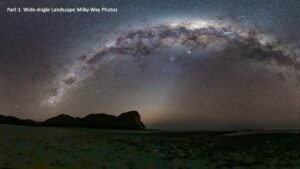
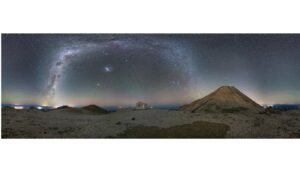
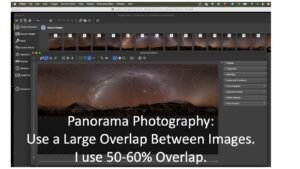
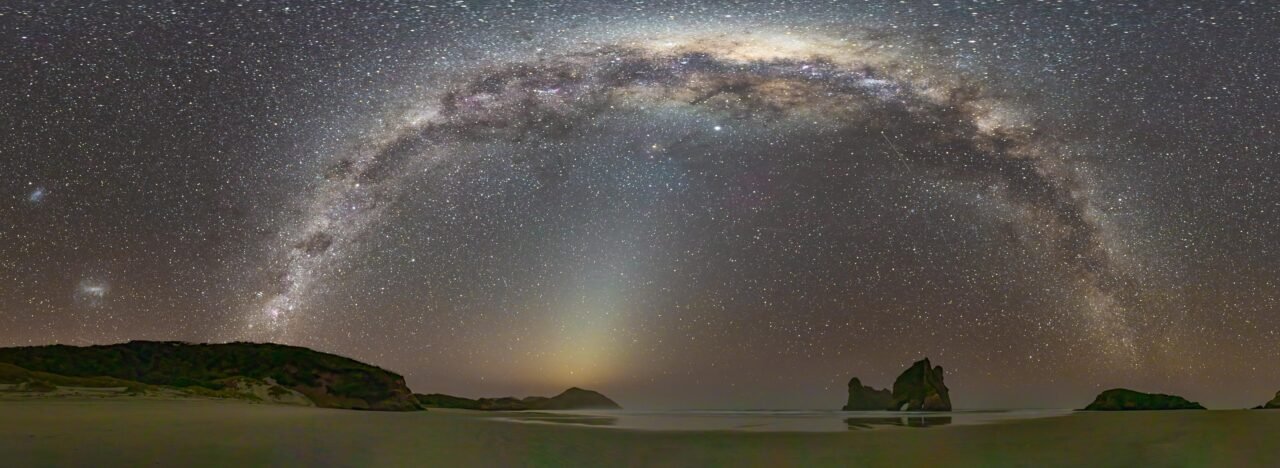
The images below are 360-degree immersive panoramas of the night sky. They have been captured on DSLR (or mirrorless) cameras and stitched together in post processing. Most of the older images are single photographs per position, more recent images were created by capturing and stacking multiple images from a single location on a star tracker.
Milky Way Over Lake Rotoiti, photographed from beside Mount Robert Road on 21st June 2025. Right Click on image to full screen and then use mouse to zoom in/out and move around. Image details: Captured with a Canon EOS R5, Sigma Art 14mm F1.8 lens, tracked using Benro Polaris with Astro. Milky Way: 3 rows of 7 images, with 5 images (ISO 1,000 exposure 30s, F 3.2) at each position (stacked in pixinsight). Foreground: 7 images, ISO 1,000, exposure 180s, F1.8. Panorama stacked in PTGui and processed in Photoshop.


Milky Way over the North Mavora Lake. Photographed in early Autumn 2023, with some Aurora visible viewing south. This image was captured on a Canon EOS R5, Sigma Art 14mm F1.8 lens, with settings: F1.8, ISO 3200, exposure 20s; 4 rows of 8 images captured and stitched in PTGui.